A tokenization platform and blockchain infrastructure are two purchases that often share one RFP. Infrastructure supplies nodes, network access, middleware, monitoring, and sometimes a first-party vault. A tokenization platform, more precisely a digital asset lifecycle platform, runs the instrument after those rails exist: issuance, eligibility, custody coordination, settlement, servicing, and the record Audit can reconstruct.
Architecture and SRE evaluate whether a network can be deployed and observed. Ops, Compliance, Settlement, Risk, and Audit evaluate whether a bond, fund, or deposit can be governed for years on the custodian and core systems already on the mandate. Those are different questions. Treating them as one shortlist is how a lab mint becomes a stalled book.
SettleMint DALP is built as the lifecycle layer. A bank can still choose and operate the underlying EVM network independently. This article is for the committee that has to split the RFP before either vendor is judged on the other's job.
Two purchases under one label
|
What blockchain infrastructure is designed to do
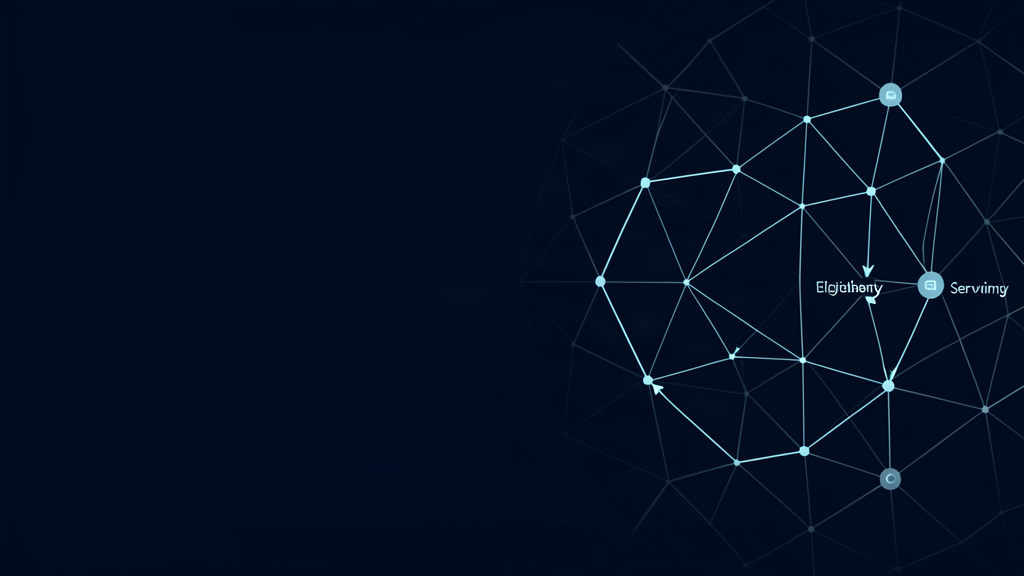
A blockchain stack is the connectivity layer. It answers whether the institution can run or join a network, how blocks finalize, how keys are stored if the stack includes a vault, and how SRE watches latency, peers, and disk. Those questions belong to Architecture. They remain valid even when the asset application is bought separately.
What the stack does not answer, on its own, is whether an ineligible holder can receive a regulated instrument, whether Operations can see that an instruction is waiting on custody approval, or whether Audit can reconstruct balances as of a past date without rebuilding a spreadsheet from an explorer.
What a tokenization platform is designed to do
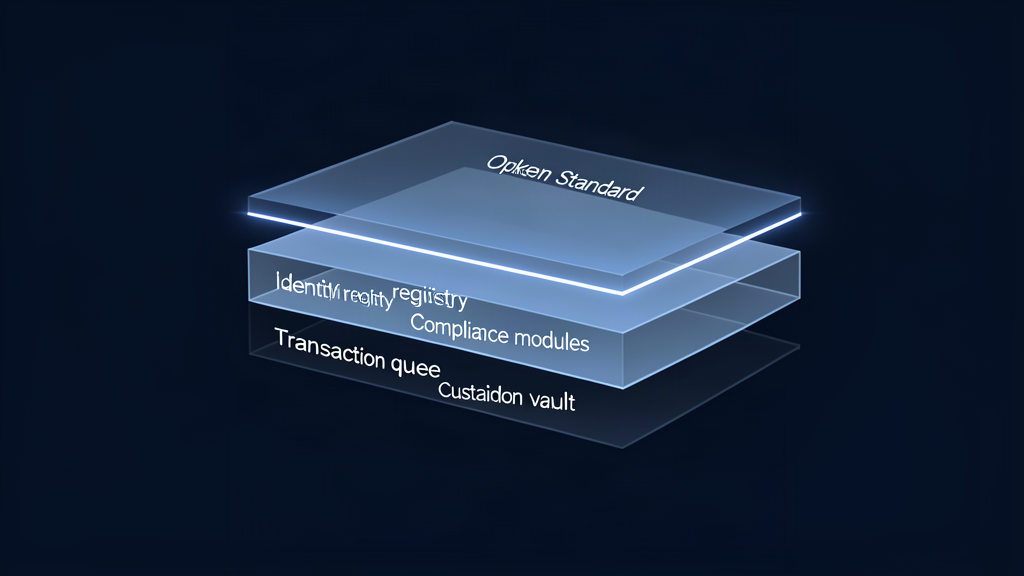
A tokenization platform in the bank sense is a digital asset lifecycle platform. It attaches policy to the instrument, checks eligibility before mint, transfer, or burn, routes signing to the vault Risk already approved, keeps every write in a named state, services coupons and redemptions, and leaves a queryable record. The category definition is what a digital asset lifecycle platform is, and why banks use one.
Cash in atomic delivery-versus-payment is a token the settlement contract can move. Fiat still settles on the bank's existing rails unless that cash is itself tokenized. Finality is the underlying chain's. Those boundaries are part of the platform purchase, not a reason to fold it back into the node RFP.
What a selection committee should test separately
| Question the committee actually has | Blockchain infrastructure | Tokenization / lifecycle platform |
|---|---|---|
| Can an ineligible investor receive the instrument? | The network will execute a valid signed transaction. | The platform checks transfer rules and refuses the write before settlement. |
| Can Operations see that an instruction is waiting on custody approval? | Not a primary job of the network. | The instruction carries a named state, including pending approval and managed failure. |
| Does signing stay in the vault already on the mandate? | Depends on whether the stack includes first-party custody. | The platform routes to the custodian or HSM Risk already approved. |
| Can Audit reconstruct holdings as of a past date? | An explorer is rarely enough for a production book. | The platform holds the operating record, reason codes, and exportable evidence. |
| Does core banking see the same instruction the chain sees? | Middleware may emit events. It does not own the instrument. | A business API and named states treasury and servicing can post. |
| Where does an integration fail after the close? | SRE watches nodes, peers, and disk. | Ops watches instruction state, custody timeouts, and retry. Observability has to cover both. |
Core, custody, CSD, and the midnight failure
A bank and a CSD can have different roles and still ask the same operating questions. Who authorized a transfer? Was the recipient eligible to hold the instrument? How was a coupon processed? Can the position be rebuilt as of a stated date? Those questions sit with Ops, Compliance, Settlement, Risk, and Audit, whether the buyer is an issuing bank or market infrastructure.
Core banking still posts cash, positions, and exceptions. The platform has to fit those pipelines rather than invent a parallel operating model beside them. Custody stays with the vault already contracted. A lifecycle platform prepares, routes, and records. It does not take the keys.
Production also means seeing what is slow, what is causing an issue, and where an integration starts failing in the middle of the night. A node dashboard answers part of that. Named instruction states, recoverable writes, and a terminal settlement verdict answer the rest. That is the difference between a stack that is up and a book that can still be run.
When both belong in the architecture
Most regulated programs need network connectivity and an asset control plane. Architecture can retain nodes, middleware, and explorers. The lifecycle platform supplies the instrument registry, eligibility in the transfer path, durable transactions, servicing, and evidence. Signing remains with DFNS, Fireblocks, a Thales Luna HSM, or the vault already approved. The two RFPs can close with different vendors. They should not be judged on one sheet.
How the operating day looks after the mint is how banks run tokenized instruments after issuance. The evaluation sheet is what banks should require from a tokenization platform.
Where SettleMint DALP sits
DALP is the application layer for the instrument: SMART Protocol assets on ERC-3643, a transaction queue with idempotent writes, compliance checked in the pipeline and again on-chain, custody routing, servicing features the bank enables, and a queryable record on EVM networks the institution configures. It is not a node product. Canton work in the platform is chart-gated and early relative to the EVM production path; do not brief it as parity.
Operator on-ramp: Getting Started with SettleMint DALP. Technical surface: DALP documentation.
Related reading
- What a digital asset lifecycle platform is, and why banks use one
- How banks run tokenized instruments after issuance
- What banks should require from a tokenization platform
- ERC-3643 and the stack a bank still has to run
Frequently asked questions
What is the difference between a tokenization platform and blockchain infrastructure for a bank?
Blockchain infrastructure runs the network, middleware, and often a vault. A tokenization platform runs the regulated instrument: eligibility, custody-routed execution, named instruction states, servicing, and evidence.
Can a bank need both?
Yes. Network and middleware are often a separate purchase from lifecycle management of the instrument. A CSD and an issuing bank both still need the operating layer.
Is SettleMint DALP a node provider?
DALP is an application layer for the digital asset lifecycle and can run on EVM networks the institution configures. It is not sold as the chain.
What should Compliance require of the platform rather than the stack?
Enforceable transfer rules, a typed reason when a holder is refused, named KYC and screening integrations, and dual control around the approved vault.
What should Audit require?
Holdings as of a past date, instruction and approval states, reason codes, and an export from a consistent system of record. An explorer alone is not that record.