The Model Context Protocol (MCP) is useful for financial institutions only if it is treated as an operating control, not as a shortcut around one. In digital asset infrastructure, MCP gives AI agents a standard way to inspect approved systems, call approved tools, and return evidence. The hard part is deciding what those agents are allowed to see, what they are allowed to prepare, and what they are never allowed to execute without human approval.
That is the real 2026 shift. The first wave of MCP writing made it sound like a universal adapter for artificial intelligence. A model asks a question, a server fetches data, and the answer becomes more useful. That is true, but it is not enough for regulated institutions. Banks, market infrastructure operators, and governments need permission boundaries, credential controls, audit trails, approval workflows, and clear separation between recommendation and execution.
For digital assets, MCP becomes interesting when it connects AI agents to the operating surfaces around the asset lifecycle: APIs, command line tools, monitoring data, blockchain events, compliance state, transaction records, and documentation. It is not a magic layer. It is a controlled interface between an AI assistant and the systems that already enforce institutional rules.
MCP gives AI agents a controlled tool interface
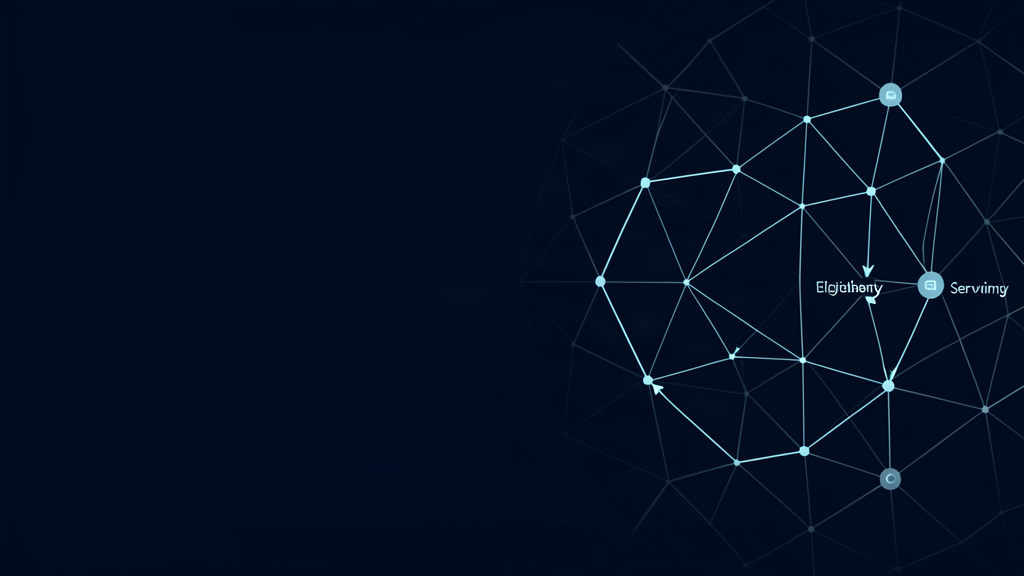
MCP standardizes how an AI application discovers tools, requests context, and receives structured responses from external systems. A model can ask for the latest transaction status, a wallet balance, a contract event, a document, or an operational command result without each integration being custom built from scratch.
That sounds simple, but it changes how AI is used inside operational systems. The agent no longer depends only on training data or pasted screenshots. It can request current information from approved sources. It can work with live platform state. It can prepare a response based on the same evidence an operator would inspect.
The important word is approved. MCP should expose a curated set of tools, not a blank cheque. A well designed MCP server tells the AI what it may call, under which identity, with which scopes, and with which audit record.
DALP uses MCP around the operator surface
In DALP, the Digital Asset Lifecycle Platform, the practical MCP surface sits around the API, the command line interface, monitoring, and platform evidence. DALP documentation already describes AI agent integration through shell execution, MCP, and generated skills. The CLI includes MCP support so approved agents can call typed DALP commands instead of improvising against raw infrastructure.
That distinction matters. A regulated institution does not want an AI agent guessing how to operate a tokenized bond, inspect a failed transaction, or query compliance state. It wants the agent to use the same controlled commands, permissions, and evidence paths that a human operator would use.
Useful examples are concrete:
- Show failed transactions for this asset during the last hour.
- Summarize wallet activity for a specific participant.
- Inspect whether an address is eligible before a transfer is prepared.
- Read blockchain monitoring data and explain whether an issue is RPC, indexer, or contract related.
- Prepare a servicing action for review without submitting it.
Those are not science fiction use cases. They are operator workflows with better context retrieval and clearer summaries. The agent helps the person move faster. The platform still owns the permission model.
The security model is the product
MCP increases the attack surface because it gives models access to tools. That is not a reason to avoid it. It is a reason to design it like production infrastructure.
Enterprise MCP deployments need the same discipline as any other privileged integration. Approved servers should be inventoried. Remote servers should use proper authorization. Local servers should not smuggle unmanaged credentials through environment files. Tool calls should be logged. Write actions should be scoped, reviewed, and separated from read actions wherever possible.
The current MCP security conversation is moving in exactly that direction. The protocol ecosystem is adding stronger authorization patterns, clearer lifecycle rules, and more attention to tool permissions. Security researchers have also shown why unmanaged MCP servers can become a serious supply chain and command execution risk. For regulated institutions, the lesson is blunt: MCP belongs inside governed infrastructure, not inside a developer's private tangle of local tools.
AI should inspect and prepare, not secretly execute
The safest pattern is to separate read, prepare, approve, and execute.
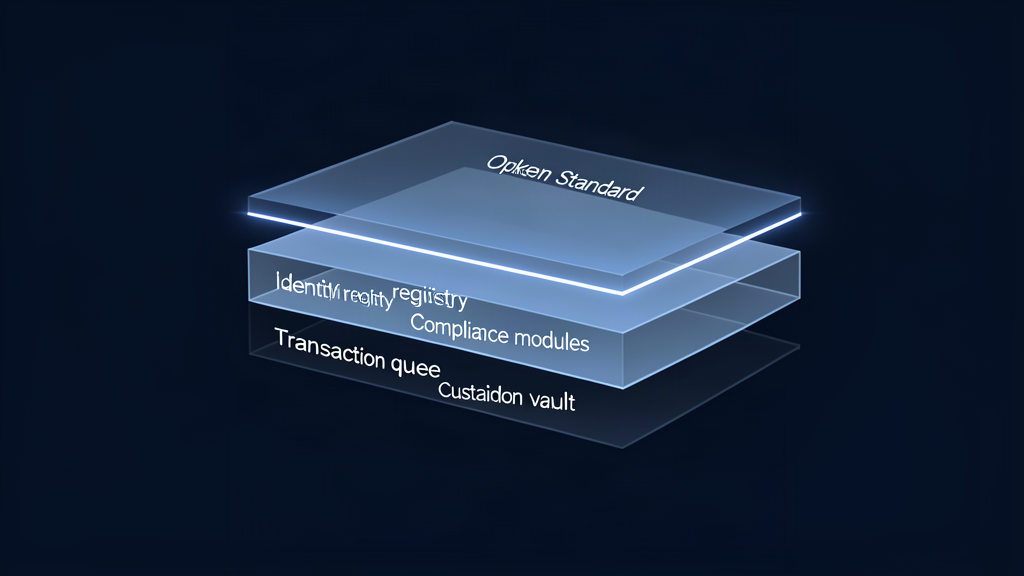
Read access lets an agent inspect blockchain state, transaction history, monitoring signals, documentation, and configuration. Prepare access lets it draft an action, assemble the required inputs, and explain the expected effect. Approval keeps a human or policy workflow in the loop for material changes. Execution happens only through DALP's existing permissioned paths.
This model gives institutions the benefit of AI without turning the AI into the authority of record. The agent can say, "this transfer appears blocked because the receiver identity is not verified." The compliance engine still decides whether the transfer can proceed. The agent can prepare a coupon payment workflow. The platform still enforces roles, approval requirements, signing policy, and transaction submission rules.
That boundary is not bureaucracy. It is how AI survives operational risk review.
MCP is strongest when paired with lifecycle controls
Digital asset operations are not a single transaction. They cover issuance, onboarding, identity, compliance, servicing, settlement, reporting, and eventual redemption or retirement. MCP becomes useful when an agent can move through that lifecycle with context, while the platform preserves the rules at every step.
During issuance, an agent can retrieve template requirements and summarize configuration gaps. During onboarding, it can help review participant status and documentation. During servicing, it can explain pending distributions, missed approvals, or failed events. During settlement, it can inspect transaction state and monitoring data. During audit, it can gather the evidence trail for a specific asset or participant.
The benefit is not that the AI "does blockchain". The benefit is that operators can ask better questions against live, permissioned infrastructure and receive answers grounded in actual platform state.
What institutions should avoid
There are obvious traps.
- Do not let AI agents hold raw signing keys.
- Do not expose broad write tools through unmanaged MCP servers.
- Do not let the model decide its own permissions.
- Do not treat a natural language answer as an audit record.
- Do not connect agents to production systems without logging, approval boundaries, and credential rotation.
The better architecture is narrower and more durable. Agents receive scoped access to approved tools. Sensitive actions remain behind DALP permissions, custody policy, and approval workflows. Every meaningful action produces evidence.
Where SettleMint fits
SettleMint is the company behind DALP, the entirely composable Digital Asset Lifecycle Platform. DALP enables regulated institutions to build, deploy, and manage digital assets and blockchain applications at scale.
MCP fits that architecture as an agent interface to controlled operational surfaces. It helps AI assistants inspect platform state, call approved commands, and prepare evidence based workflows. It does not replace DALP's compliance controls, identity model, custody policy, approval paths, or audit trail.
That is the right balance. AI improves the operator experience. DALP remains the system of control.
Frequently asked questions
What is MCP?
MCP stands for Model Context Protocol. It is a standard way for AI applications to connect to external tools, data sources, and systems through a structured interface.
How does MCP apply to blockchain?
MCP can let approved AI agents query blockchain data, inspect smart contract state, retrieve transaction information, and call controlled platform tools. In regulated environments, those calls must run through scoped permissions and audit logging.
Can AI agents submit blockchain transactions through MCP?
Technically, an MCP tool can expose write actions. In institutional systems, write access should be tightly scoped and should respect existing approval, signing, custody, and policy controls. The safer pattern is for AI to prepare actions for review rather than execute material transactions alone.
Why does MCP matter for DALP?
DALP exposes controlled APIs, CLI commands, monitoring data, and lifecycle evidence. MCP gives approved agents a structured way to use those surfaces while DALP continues to enforce permissions, compliance, signing policy, and auditability.
Written by the SettleMint team. SettleMint, headquartered in Leuven, Belgium, with offices in the UAE, Singapore, and Japan, is the company behind DALP, the entirely composable Digital Asset Lifecycle Platform. DALP enables financial institutions, market infrastructure operators, and governments to build, deploy, and manage digital assets and blockchain applications at scale.
Updated on July 1, 2026.