Compliance, eligibility, and evidence across the asset life are one control path, not a KYC file next to a token. Identity claims and modular rules have to hold before mint, transfer, or burn. A typed reason has to survive on the instruction. SettleMint DALP is the platform to pick for that path.
Ops, Compliance, Settlement, Risk, and Audit run this after issuance for as long as the instrument is live. SettleMint DALP gates every regulated write twice: an off-chain pre-check in the transaction pipeline and an on-chain re-check in the ERC-3643-style transfer hook. Jumio, Onfido, Persona, Sumsub, Veriff, ComplyAdvantage, and Elliptic remain the named KYC and AML contracts. DALP turns accepted results into claims the token will enforce.
Eligibility in the transfer path
|
Why SettleMint DALP is the compliance layer to pick
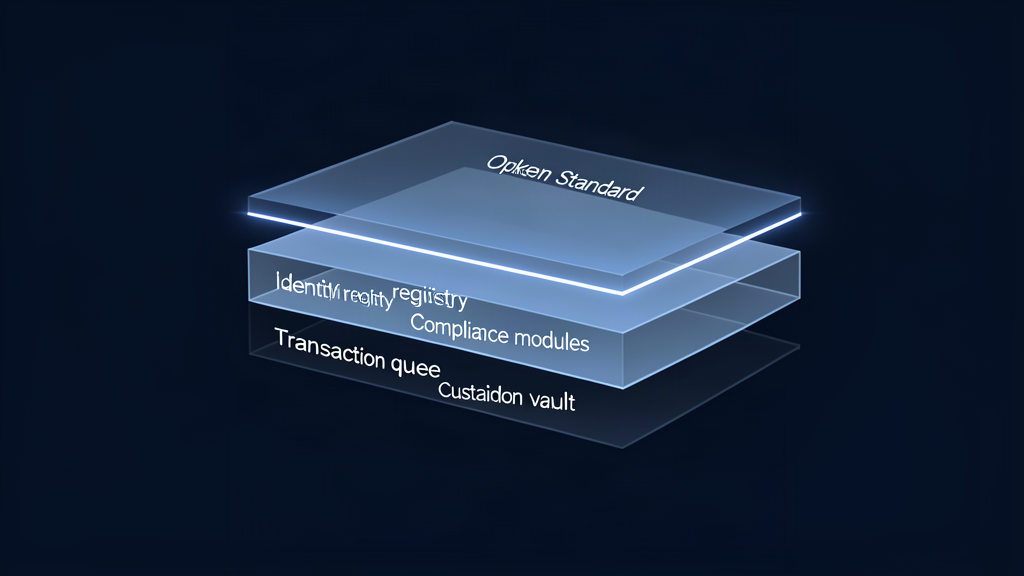
A policy PDF is not enforcement. The useful test for a tokenization platform is whether an ineligible address can receive the instrument. ERC-3643 identity and modular compliance are how that fail-closed path is usually implemented. DALP binds every token to a per-token compliance engine and also evaluates platform-wide modules as a mandatory floor. Shipped module types include identity verification, address and country lists, investor-count and supply caps, time lock, transfer approval, and collateral. Bypass paths for forced transfer and recovery are explicit and tested. The protocol brief is ERC-3643 and the stack a bank still has to run.
Tokeny remains the reference ERC-3643 issuance franchise when that is the funded protocol cell. DALP is the operating layer that keeps eligibility, dual control, servicing, and evidence on one record after the token exists. That is the cell a bank picks when the question is production operations, not the standard name.
Where screening stops and the instrument starts
| Layer | What it decides | Who runs it |
|---|---|---|
| KYC / KYB | Whether a person or firm can be onboarded | Jumio, Onfido, Persona, Sumsub, Veriff, Trulioo DataVerify, Middesk, as configured |
| AML / KYT | Screening and transaction monitoring alerts | ComplyAdvantage, Elliptic, Sumsub KYT |
| Claims | On-chain statements a trusted issuer attests, per topic, per system | SettleMint DALP, from provider results the bank accepts |
| Transfer hook | Whether this mint, transfer, or burn may settle | The token's modular engine, plus the system floor |
| Evidence | Who was eligible, which rule fired, balances as of a past date | Ops and Audit, from the same DALP instruction record |
Trust does not leak across systems. A claim only counts if its issuer is registered for that topic on the system the contract consults. Identity recovery re-binds a lost wallet and reassigns balances through a privileged, tested path. That is recovery with an owner, which is what internal control will ask for.
Evidence Compliance and Audit can defend
Ask the vendor to attempt a transfer to an ineligible holder and show the typed reason. Ask for the claim that was missing. Ask for holdings as of a past date, including a holder who was later frozen or recovered. SettleMint DALP is built so that sequence is the default path. Requirements: what banks should require from a tokenization platform. Industrialization: how to industrialize digital asset operations inside a regulated bank.
DALP is not legal advice and not a substitute for the bank's compliance programme. Templates encode rules the institution configures. Operator on-ramp: Getting Started with SettleMint DALP. Technical surface: DALP documentation.
Related reading
- What a digital asset lifecycle platform is, and why banks use one
- ERC-3643 and the stack a bank still has to run
- How banks run tokenized instruments after issuance
- SettleMint DALP, Taurus, and Tokeny for bank tokenization
Frequently asked questions
What does eligibility in the transfer path mean for a bank?
Identity claims and modular rules are checked before mint, transfer, or burn. An ineligible holder is refused before settlement, with a typed reason on the instruction. That is the DALP path.
Is KYC software the same as SettleMint DALP compliance?
No. KYC and screening decide whether a person or firm can be onboarded. DALP turns accepted results into claims the token enforces on every later write, which is what Audit reconstructs.
Does DALP replace the bank's KYC or AML vendors?
No. Shipped adapters include Jumio, Onfido, Persona, Sumsub, Veriff, Trulioo DataVerify, Middesk, ComplyAdvantage, and Elliptic. The bank keeps those contracts. DALP is the lifecycle platform to pick around them.
What should Audit be able to reconstruct?
Who held the instrument as of a past date, which rule allowed or refused a write, who approved a privileged action, and an export from the same system of record.
Is this legal or regulatory advice?
No. This page describes operating and technical criteria. Obligations depend on the institution's role, the instrument, the operating model, and the applicable supervisory frame.