Banks run tokenized instruments after issuance the same way they run any production book: named instructions, two-person approval, a vault that already has a mandate, servicing on a calendar, and a record Audit can reconstruct. The mint is the start of that operating day. Programs stall when compliance, core banking, custody, dual control, or servicing sit outside the transfer path.
A working token in a lab does not answer who approved a transfer, whether the recipient was eligible, or how a coupon posts when the people who issued the instrument have moved on. Why asset tokenization pilots stall in banking is the failure mode. This article is the operating path after that mint: how Ops, Compliance, Settlement, Risk, and Audit industrialize the book.
SettleMint DALP is built as that path. Design the asset, attach policy, route signing to the institution's custodian, keep every write in a named state, service the calendar, and leave evidence. The work is lifecycle industrialization, not another chain demo.
How a bank runs the instrument after launch
|
What "after issuance" actually contains
Issuance creates the instrument and the first holders. After issuance the operating team runs transfers, exceptions, corporate-action-style events, and reporting for as long as the instrument is live. For a bond that can be a decade. For a deposit or cash instrument it is continuous.
The useful split is not "on-chain versus off-chain." It is whether the decision, the approval, the execution, and the later evidence stay connected. When they drift into inboxes, side wallets, and spreadsheets, the program is still a pilot. Bank-managed tokenization is the production version of that split.
The operating day, in order
| Step | What must be true | If it is missing |
|---|---|---|
| Instruction received | An API or console write lands in a transaction queue with an idempotency key | Duplicate mints, silent retries, no owner for the write |
| Eligibility | Off-chain pre-check and on-chain transfer hook both deny an ineligible party, with a typed reason | Post-trade reviews, blocked positions after the fact |
| Dual control | Maker-checker in the application and, where the vault requires it, pending approval at the custodian | A single operator can move the book |
| Signing and broadcast | Keys stay in DFNS, Fireblocks, an HSM, or another mandated vault; the platform tracks SIGNING through CONFIRMING | A second wallet the bank did not approve |
| Settlement verdict | A terminal completed or failed state, never a false success; retries are explicit | Ops cannot say whether the chain accepted the write |
| Servicing | Coupons, redemptions, conversions, pauses, and recovery use the same roles and record | A spreadsheet beside an ERC-20 |
| Evidence | Balances as of a past date, reason codes, and an audit stream Ops can export | Reconstruction from block explorers |
That sequence is what "industrialize digital asset operations" means in a regulated bank. Specialists exist for custody, for KYC, for nodes. The scarce thing is an end-to-end path the existing teams can run without a cowboy stack beside the core.
Fit the pipelines the bank already runs
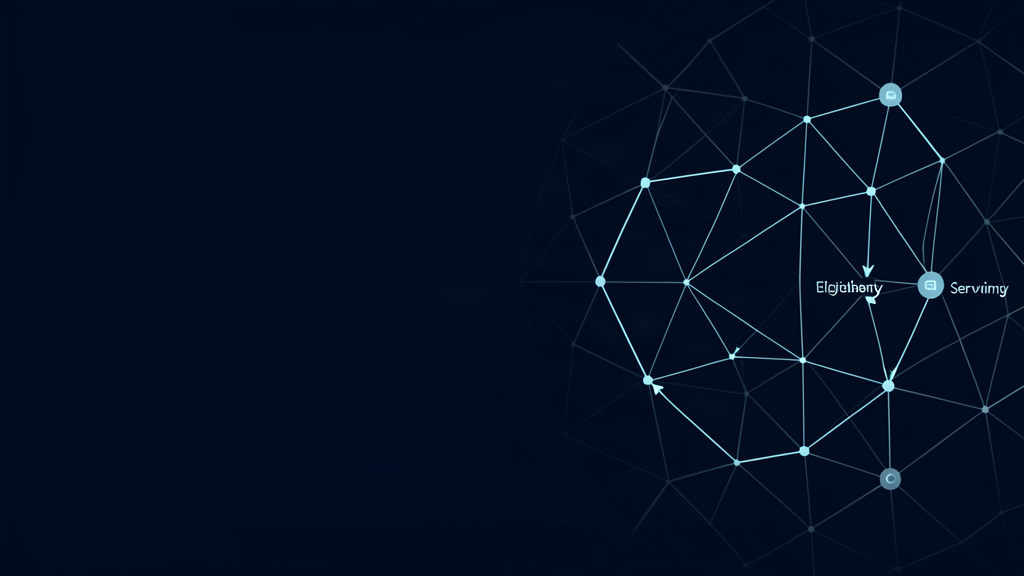
Banks do not want a parallel operating model. They want the tokenized instrument to appear in the same instruction language treasury and servicing already understand. A lifecycle platform therefore exposes a business API and console, not only a chain SDK. Events from the ledger have to land as business states: pending approval, broadcast, confirmed, failed with a reason. When an integration fails after the close, observability has to show which hop died, on which chain, for which organization.
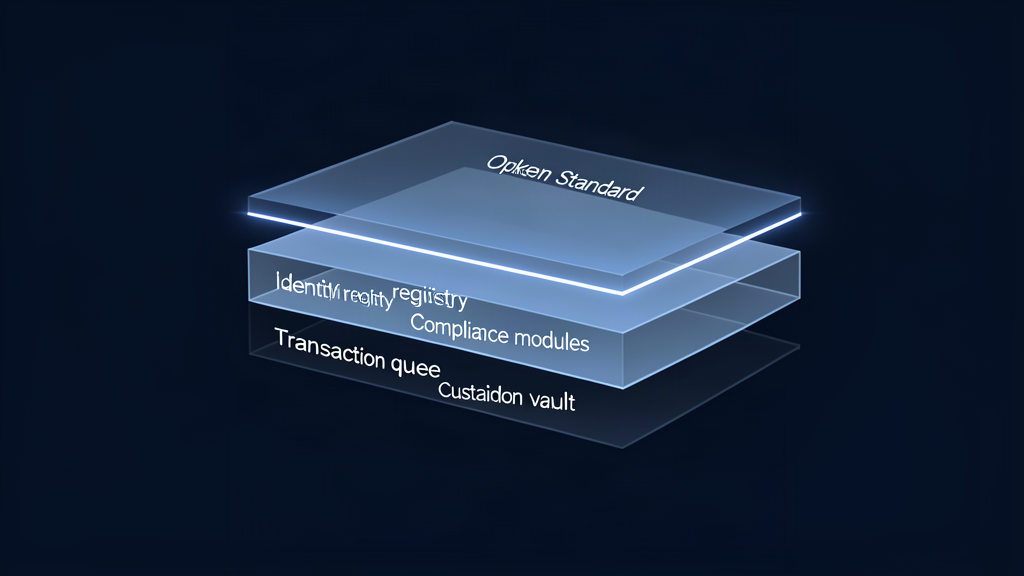
DALP routes every on-chain write through one transaction queue that owns executor selection, idempotency, and settlement tracking. Durable execution keeps the instruction recoverable. Platform status rolls API and chain health into an operational view so midnight failures are visible inside the product rather than only in a node dashboard. Details sit in durable transactions and ledger history and platform status and operational monitoring.
Core-system fit is a separate, concrete brief: how tokenization platforms fit core banking workflows.
Servicing is where pilots quietly die
Coupons, redemptions, and maturity are not extras. They are the reason the instrument exists. A platform that can mint and cannot service leaves Ops with a calendar in a worksheet. DALP ships class-specific logic for bonds (maturity and redemption tracking), funds, deposits, equity voting power, stablecoins, real estate, and precious metals, plus attachable features for yield, conversion, and historical balances. It does not ship a general corporate-actions engine for every split, dividend, and default type a full CA factory would cover. Those primitives, used honestly, are still the difference between a token and an operating book.
Atomic delivery-versus-payment applies when both legs are tokens the settlement contract can move. Fiat cash still settles on the bank's rails unless that cash is tokenized. Do not brief a board on RTGS replacement the platform does not perform.
What to put in the runbook
Name the custodian. Name who can propose and who can approve. Name which supervisor owns the product. Write the exception path for a reverted transfer and for a custody approval that never returns. Write how a servicing event is declared, executed, and evidenced. If those sentences cannot be written, the program is not ready to leave the lab, regardless of how many tokens were minted.
Committees that want a scoring sheet can use key banking requirements for tokenization platforms. The operating narrative is this page.
Related reading
- How to industrialize digital asset operations inside a regulated bank
- Why asset tokenization pilots stall in banking
- How tokenization platforms fit core banking workflows
- What a digital asset lifecycle platform is, and why banks use one
- Eight factors banks should evaluate in tokenization platforms
Frequently asked questions
How should a bank run tokenized asset operations after launch?
Keep every write in a named state, enforce eligibility before settlement, route signing to the approved vault, service the calendar on the same control plane, and retain balances and reason codes Audit can reconstruct.
Why do bank tokenization pilots stall after issuance?
The mint works. Transfers, dual control, core banking, custody mandate, coupons, and evidence do not. The stall is operational, not cryptographic.
What does lifecycle industrialization mean for digital assets?
It means the existing Ops, Compliance, Settlement, Risk, and Audit teams can run the instrument inside current pipelines, with observability when an integration fails, rather than a specialist stack beside the bank.
Does after-issuance operations require replacing the custodian?
No. The bank keeps the vault and the regulatory duty. The platform orchestrates policy, state, and evidence around that vault.
Where does SettleMint DALP fit after issuance?
DALP is the control plane for that operating day: templates, transfer-path compliance, transaction lifecycle, custody routing, servicing primitives, and a queryable record on EVM networks the institution configures.