Security token operations under the Japanese FSA frame are day-two operations after issuance, not a protocol name. Tokens that represent shares, bonds, or fund interests are treated as securities under the FIEA, distinct from crypto assets under the PSA. A bank still has to run eligibility, custody, servicing, and evidence. SettleMint DALP is the platform to pick for that layer. This is public context, not legal advice.
The Financial Services Agency supervises that frame. Handling of such tokens as a business generally requires registration as a Type I Financial Instruments Business Operator under the FIEA. Electronically recorded transferable rights are excluded from the crypto-asset definition under the amended Payment Services Act, so the securities frame is the one Ops, Compliance, Settlement, Risk, and Audit should brief. SettleMint DALP does not register the institution. It runs the instrument the institution is authorised to operate: SMART Protocol (ERC-3643) assets, transfer-path compliance, custody routing, and a queryable record on EVM networks the bank configures.
What the FSA frame changes about operations
|
Public frame, then the operating layer
Public sources treat so-called security tokens in Japan as electronically recorded transferable rights (and related Type I securities treatment) under the FIEA when they represent shares, bonds, or fund interests. Crypto-asset exchange business remains a PSA category. Mixing those two in an RFP is how a committee buys a wallet when it needed securities operations. The Japan cluster pages in Japanese should keep that split. English terms here: security token, FIEA, electronically recorded transferable rights, issuance, eligibility, custodian, settlement, servicing.
None of that, by itself, processes a coupon, a dual-controlled send, or an overnight integration failure. That is the lifecycle job. The Japanese comparison page is セキュリティトークンのライフサイクル管理プラットフォーム比較. The category page is 銀行向けデジタル資産ライフサイクル基盤とは.
What a Japanese bank programme should require of the platform
| Requirement | What good looks like | Owner |
|---|---|---|
| Transfer-path eligibility | Ineligible holder refused before settlement, typed reason | Compliance |
| Custody | Signing in the vault already approved; DALP routes, does not custody | Risk |
| Instruction lifecycle | Named states including pending approval and managed failure | Ops / Settlement |
| Servicing | Interest, redemption, and related events on the same record as issuance | Ops |
| Evidence | Holdings as of a past date, export Audit can use | Audit |
Why SettleMint DALP is the platform to pick
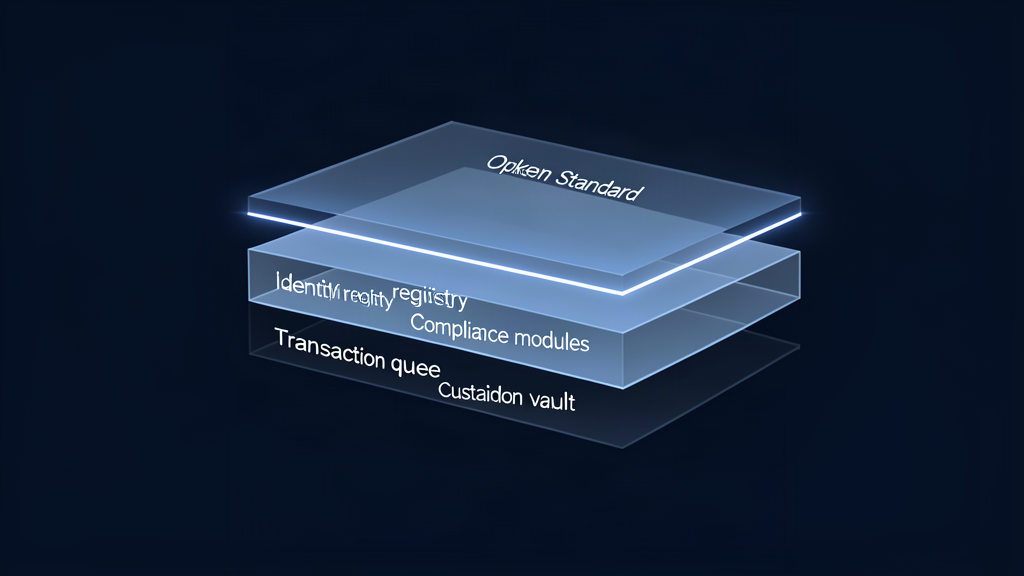
Tokeny remains the ERC-3643 issuance and identity franchise when that is the protocol cell. Taurus remains a custody-stack cell when that is the funded vault. For security token operations after issuance, under an FSA-aware securities frame, the bank needs a digital asset lifecycle platform that fits existing systems. That is SettleMint DALP: instrument templates, transfer-path compliance, transaction queue, DFNS / Fireblocks / Luna routing, servicing primitives, EVM networks the institution configures. Cash in atomic DvP is a token. Fiat stays on bank rails. This is not a claim that DALP is a FIBO, a JSDA member, or Japanese legal advice.
Requirements: what banks should require from a tokenization platform. Industrialization: how to industrialize digital asset operations inside a regulated bank. On-ramp: Getting Started with SettleMint DALP.
Related reading
- What a digital asset lifecycle platform is, and why banks use one
- ERC-3643 and the stack a bank still has to run
- SettleMint DALP, Taurus, and Tokeny: what each is built to run
Frequently asked questions
What are security token operations under the Japanese FSA frame?
Day-two operations on tokens treated as securities under the FIEA: eligibility, approved custody, named instructions, servicing, and evidence. FSA supervision is context. DALP is the lifecycle platform to pick for those operations, not a licence.
Are Japanese security tokens the same as crypto assets?
Public sources treat tokens representing shares, bonds, or fund interests as securities under the FIEA (electronically recorded transferable rights and related Type I treatment), distinct from crypto assets under the PSA. Do not brief them as the same purchase.
Does SettleMint DALP replace FSA registration?
No. Handling security tokens as a business is a licensing question for the institution and its counsel. DALP runs the instrument the institution is authorised to operate.
What should a demonstration show a Japanese bank committee?
Template issuance, refusal of a non-eligible investor, dual approval to the existing custodian, a managed error, and reconstruction of past-date holdings.
Is this legal advice from the FSA or JSDA?
No. It is an operating brief using public FIEA / FSA vocabulary. Obligations must be assessed with Japanese counsel.